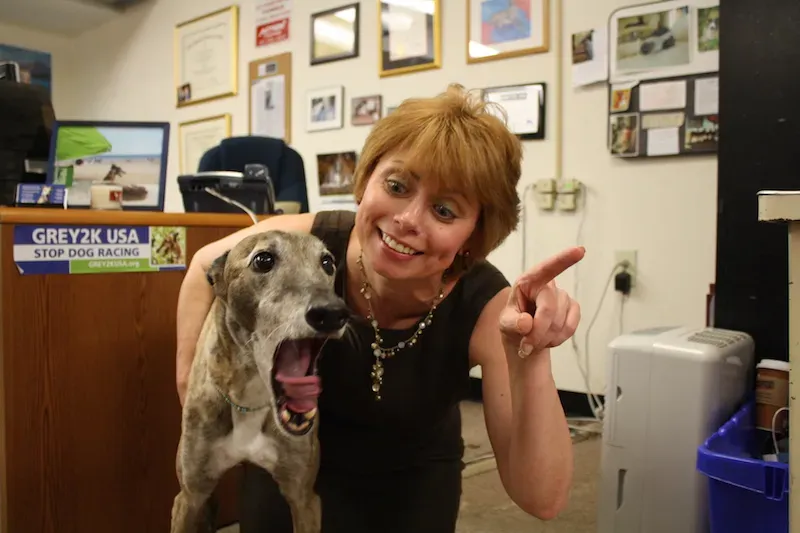
Intervista a Pet levrieri di Christine Dorchak, Presidente e Consigliere Generale di GREY2K USA Worldwide
Siamo felici e onorati di pubblicare un’intervista a Pet Levrieri rilasciata da Christine Dorchak, Presidente e Consigliere Generale di GREY2K USA Worldwide. Fate un piccolo sforzo per leggerla, ne vale veramente la pena. Traduzione in Italia (sotto trovare il testo originale dell’intervista in lingua inglese). PL – Qual è la missione […]
Siamo felici e onorati di pubblicare un’intervista a Pet Levrieri rilasciata da Christine Dorchak, Presidente e Consigliere Generale di GREY2K USA Worldwide. Fate un piccolo sforzo per leggerla, ne vale veramente la pena. Traduzione in Italia (sotto trovare il testo originale dell’intervista in lingua inglese). PL – Qual è la missione di GREY2K USA Worldwide?
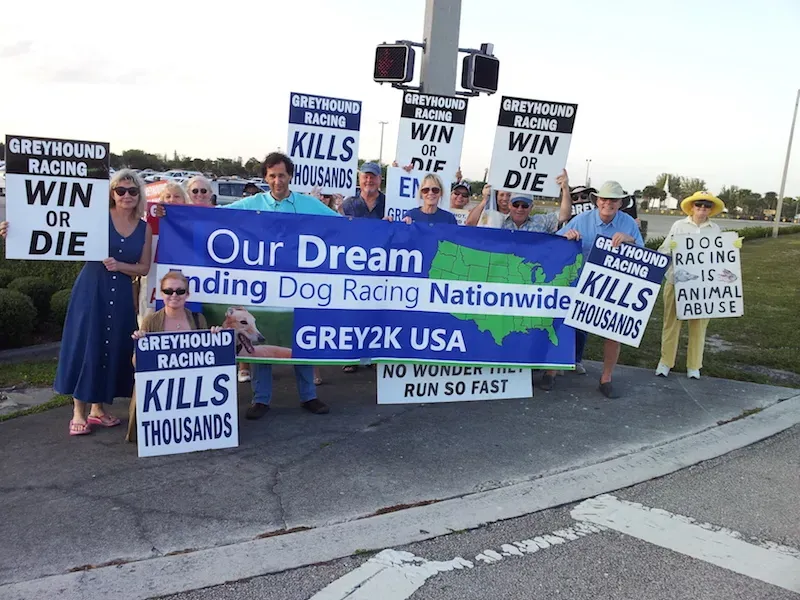
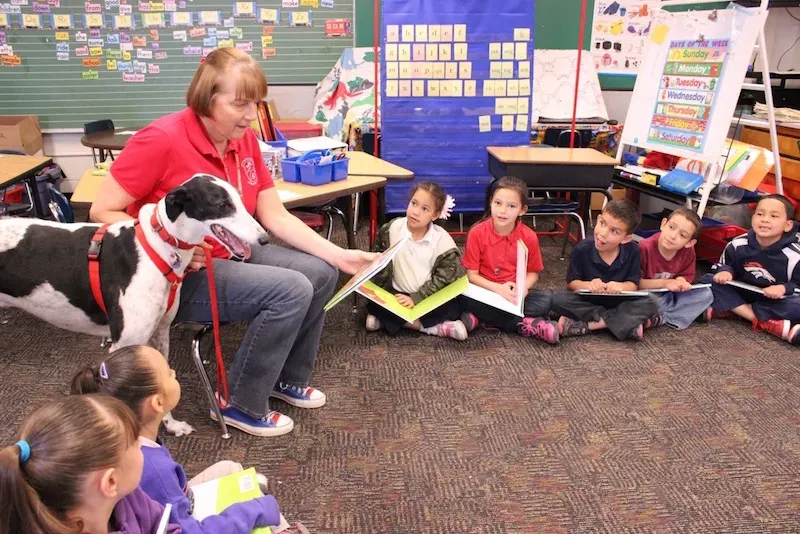
CD – Fondata nel febbraio 2001, GREY2K USA Worldwide è l’organizzazione di tutela dei greyhound più grande degli Stati Uniti. Come gruppo no profit di sostenitori lavoriamo per far approvare leggi di tutela dei greyhound più efficaci e per porre fine alle crudeltà del dog racing sia a livello nazionale che internazionale. Inoltre promuoviamo il salvataggio e l’adozione di greyhound in tutto in mondo.
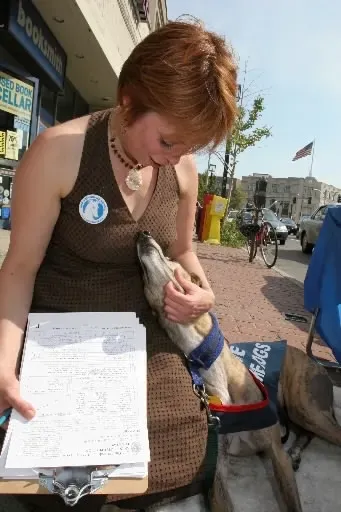
Il greyhound racing è crudele e disumano e dovrebbe essere proibito. GREY2K USA è stata la prima organizzazione che è riuscita con successo a far proibire per legge il dog racing, usando il procedimento dell’iniziativa di voto (strumento di democrazia diretta con cui una petizione firmata da un certo numero di elettori registrati può condurre ad una votazione pubblica per proporre la modifica di un emendamento statale o costituzionale; n.d.t.).
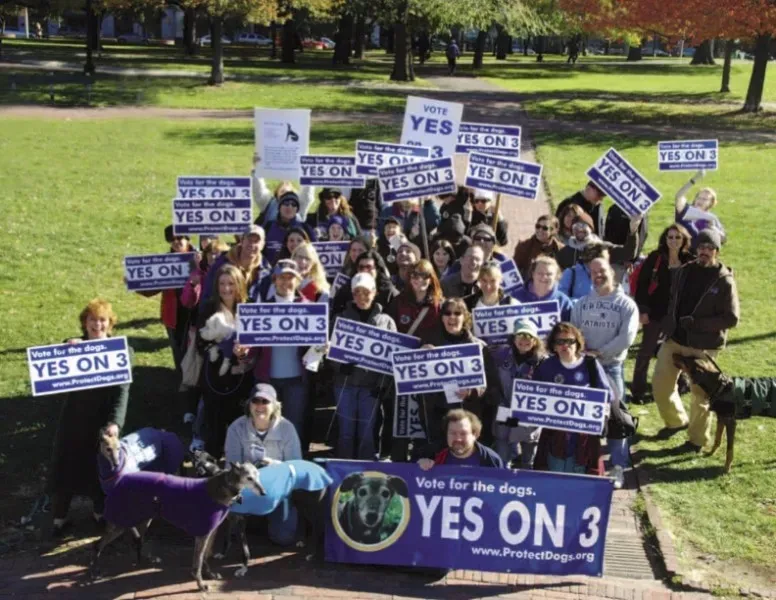
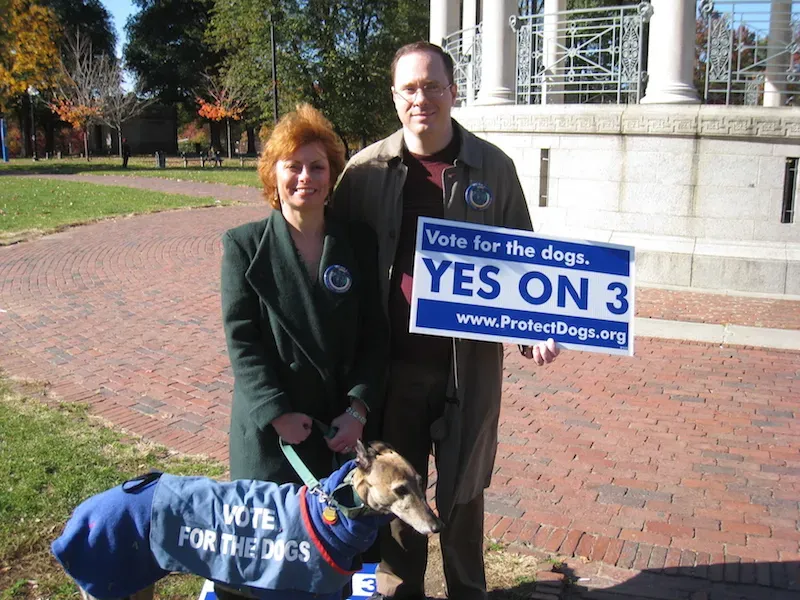
Nel novembre 2008 i cittadini del Massachussetts hanno preferito la compassione alla crudeltà votando (56% SI 44% NO) per la chiusura dei cinodromi di Raynham e Wonderland. Dalla nostra fondazione ben 28 cinodromi in tutto il paese hanno chiuso per sempre, e il numero degli stati dove il dog racing è ancora legale si è più che dimezzato.
Negli ultimi anni GREY2K USA è stata fondamentale nella lotta per ottenere leggi più forti per proteggere i greyhound. Nel Massachussetts e nel New Hampshire siamo riusciti a far approvare le leggi che obbligano questi Stati ad informare il pubblico sul numero dei greyhound feriti durante le corse e riferire sul loro destino. Sempre in Massachusetts abbiamo contribuito a far approvare il primo fondo fiduciario pro-adozioni finanziato dallo Stato nella storia degli Stati Uniti.
In Florida e nel New Hampshire abbiamo fatto passare una legge che facesse rientrare i greyhound sotto la tutela delle leggi anti-maltrattamento e in Kansas abbiamo sostenuto con successo gli sforzi per far rientrare anche i greyhound nella definizione di cane come animale d’affezione (dal punto di vista legale).
Anche in Florida abbiamo lavorato con le autorità di regolamentazione per far approvare una nuova normativa che obblighi a comunicare i decessi dei greyhound entro 18 ore dall’incidente. Potete trovare ulteriori informazioni visitando il nostro sito web: http://grey2kusa.org/who/index.html
PL – Quali sono i vostri obbiettivi per il 2015? CD – Quest’anno abbiamo fatto approvare il divieto del dog racing in Colorado e adesso stiamo concentrando i nostri sforzi in Arizona e Florida. Speriamo che anche la nostra campagna per la chiusura dell’unico cinodromo presente in Cina, il Canidrome, abbia successo ed abbiamo appena iniziato una campagna di pressione politica verso il Parlamento inglese per far vietare il racing anche lì. Naturalmente continueremo ad educare le persone sulla realtà del dog racing ed a promuovere le adozioni dei greyhound in tutto il mondo.
PL – Cosa può fare la gente per aiutarvi?
CD – E’ benvenuto chiunque voglia unirsi a noi su facebook e condividere le nostre segnalazioni il più possibile. Il maggior numero di persone verranno a conoscenza del dog racing, prima saremo in grado di porvi fine. Tante persone nel mondo si sono iscritte per partecipare a manifestazioni ed ospitare eventi informativi sui greyhound.
Invitiamo tutti ad “agire” andando sul nostro sito web: http://grey2kusa.org/action/index.html.
PL – Quali cambiamenti avete notato dalla nascita della vostra organizzazione?
CD – Sin dalla nostra formazione nel 2001 l’industria del greyhound racing si è più che dimezzata negli Stati Uniti, dove all’epoca c’erano 50 cinodromi situati in 15 stati, mentre oggi ne restano 21 in soli 7 stati.
Uno di questi è la Florida, che da sola ospita più cinodromi degli altri stati messi assieme (almeno 12). È stato anche il primo stato a legalizzare il dog racing nel 1931. Adesso stiamo lavorando con i proprietari dei cinodromi per far finire le corse dal vivo. Loro vogliono risparmiare denaro, noi vogliamo salvare i cani.
Per saperne di più sulla Florida potete consultare la nostra pagina: http://grey2kusa.org/action/states/fl.html
Inoltre abbiamo lottato con successo per bloccare l’espansione del dog racing in nuovi paesi. Sono miseramente falliti tutti i tentativi di legalizzare il dog racing in Jamaica (2009), Filippine (2009), Sud Africa (2010, 2014) e in Punjab, India.
PL – In 39 stati le corse coi greyhound sono state vietate e i cinodromi fatti chiudere. Perché è difficile per gli altri stati seguirne l’esempio?
CD – Cambiare è difficile. In passato le corse coi greyhound sembravano un passatempo divertente. E’ stato negli ultimi decenni, grazie ad un’educazione crescente, che le persone hanno realizzato che il dog racing è una partita persa in partenza per i greyhound coinvolti. Anche i cani che sopravvivono potrebbero restare segnati a vita dagli incidenti e dalla deprivazione sociale causati dall’industria del dog racing. Quando le persone incontrano un greyhound capiscono quanto sia vero. I greyhound sono i migliori sostenitori di se stessi! Inoltre se porre fine al dog racing fosse facile, qualcun altro lo avrebbe già fatto! Ora che il pubblico è sempre più consapevole delle crudeltà correlate al greyhound racing, è tempo per una vera svolta. I giovani sono sempre meno interessati e coinvolti da quest’industria in veste di spettatori o altro. La tendenza è decisamente a favore dei greyhound. Potete trovare ulteriori info in merito a questo link: http://grey2kusa.org/action/states.html
PL – Voi siete degli specialisti in questo campo e sfortunatamente avete dovuto aver a che fare ed assistere a molti casi orrendi di maltrattamento animale correlati con l’industria del racing. Qual è il caso peggiore che ricorda e che potrei citare per far comprendere ai lettori del mio saggio che il greyhound racing deve finire?
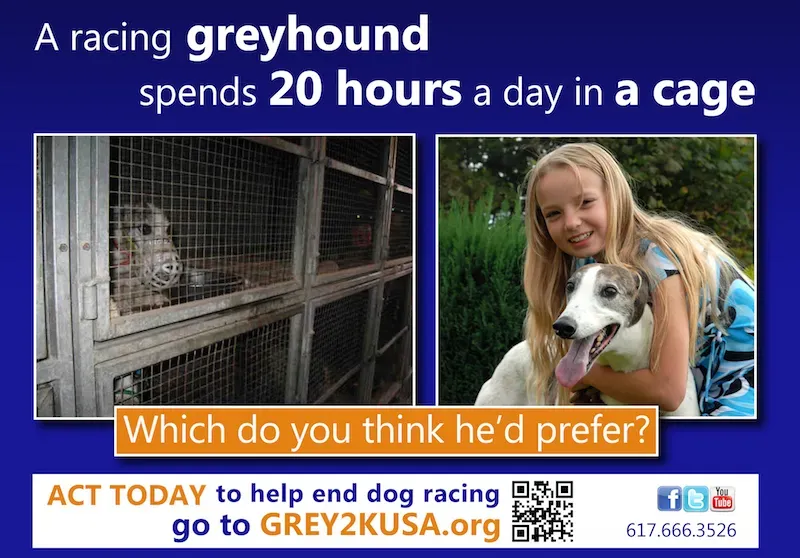
CD – La vita quotidiana di un greyhound prigioniero del mondo delle corse è ciò che mi preoccupa di più. Quando non corrono, i greyhound vengono rinchiusi in magazzini all’interno di piccole gabbie accatastate fra loro, grandi appena da consentire loro di alzarsi o girarsi. Secondo i dati raccolti dall’agenzia statunitense e in base alle dichiarazioni dell’industria, restano confinati in gabbia per venti e più ore al giorno. Anche in Gran Bretagna i greyhound trascorrono il 95% del loro tempo così. L’unica opportunità di socializzare fra loro o con i loro addestratori è durante il poco tempo in cui vengono lasciati uscire ogni giorno.
Per maggiori informazioni leggete qui:
I greyhound mangiano cibo di scarsa qualità, chiamato “4D” (downed, diseased, dying and dead livestock) dal Ministero dell’Agricoltura statunitense e prodotto dalla carne di bestiame abbattuto, malato, morente o morto, considerato inadatto al consumo umano e venduto all’industria a poco prezzo. Ulteriori info qui:
Quando vengono fatti uscire dalle gabbie per gareggiare, i cani corrono il rischio di infortuni seri. I dati dicono che quasi 3.000 cani sarebbero morti in un cinodromo in West Virginia. In Massachusetts ogni 4/4 giorni un cane resta coinvolto in un incidente, mentre le corse continuano e lo stesso accade in New Hampshire dove sono stati registrati quasi 1200 infortuni tra il 2005 e il 2008. In Florida statisticamente muore un greyhound ogni tre giorni.
PL – Quando pensate che il dog racing sarà vietato in tutti gli Stati Uniti e nel resto del mondo?
CD – Il dog racing finirà molto presto, a causa della crescente consapevolezza delle persone sugli incidenti e sulle morti dei greyhound da corsa, per le agevolazioni fiscali e le sovvenzioni concesse a quest’industria crudele. Ad esempio l’industria del racing ha beneficiato di sgravi fiscali e di sovvenzioni speciali solo per coprire i costi di esercizio. Nel 2000, l’anno precedente alla nascita di GREY2K USA, la legislatura della Florida ha garantito ai suoi cinodromi una riduzione delle tasse per 14 milioni di dollari! Attualmente i legislatori stanno cercando di abolire completamente le corse dal vivo. In Irlanda i legislatori stanno mettendo in discussione i milioni di euro pubblici che il paese spende per mantenere in vita quest’industria cruenta. Gli ufficiali cinesi hanno già ordinato la rimozione delle macchine da gioco dal Canidrome, un altro segno che il dog racing sta cadendo in disgrazia. In Inghilterra i guadagni sono calati del 43% dal 2006! Le cose stanno cambiando in meglio.
Le scommesse sui greyhound rappresentano meno dell’1% delle puntate giocate ogni anno negli Stati Uniti. Negli ultimi anni gli allevamenti di cani da corsa si sono più che dimezzati e dal 2001 le entrate nazionali sono calate di più dell’80%. La patria d’origine del dog racing sta ripudiando lo “sport” che ha creato. Come americani sentiamo la responsabilità particolare di porre fine al dog racing ovunque.
Potete leggere ancora sul declino dell’industria a livello mondiale qui: http://www.grey2kusa.org/about/dying_industry.html
La domanda non è “se” il dog racing finirà, ma “fra quanto tempo”!
PL – What is the mission of GREY2K USA Worldwide? CD – Formed in February 2001, GREY2K USA Worldwide is the largest greyhound protection organization in the United States. As a non-profit advocacy group we work to pass stronger greyhound protection laws and to end the cruelty of dog racing on both national and international levels. We also promote the rescue and adoption of greyhounds across the globe. Greyhound racing is cruel and inhumane, and should be prohibited. GREY2K USA was the first organization to successfully outlaw dog racing using the ballot initiative process. In November 2008, the citizens of Massachusetts chose compassion over cruelty and voted 56-44% to close down Raynham and Wonderland Greyhound Parks. Since our formation, twenty-eight dog tracks have closed for live racing all across the country and the number of states with dog racing has been more than cut in half. In recent years, GREY2K USA has been instrumental in fighting for stronger laws to protect racing greyhounds. In Massachusetts and New Hampshire, we successfully passed laws requiring that these states inform the public on the number of greyhounds injured while racing and report on the ultimate fate of racing dogs. Also in Massachusetts, we helped pass the first state-funded adoption trust fun in United States History. In Florida and New Hampshire, we passed legislation to restore greyhounds to the protections of anti-cruelty laws and in Kansas supported successful efforts to restore greyhounds to the definition of dogs in the state. Also in Florida, we worked with regulators to pass a new rule that greyhound deaths be reported within eighteen hours. Please read more our web site here: http://grey2kusa.org/who/index.html PL – What are your goals in 2015? CD – We just passed a prohibition on dog racing in Colorado this year, and now we are focusing our domestic efforts in the states of Arizona and Florida. We are hopeful that our campaign to close down China’s only dog track, the Canidrome, will also succeed and we have just begun a lobbying campaign before the English Parliament to stop dog racing there. Of course, we will also continue to educate the public about commercial dog racing and promote greyhound adoption worldwide. PL – What can people help? CD – We welcome everyone to join us on facebook and share our alerts as widely as possible. The more people who learn about dog racing, the faster we will be able to end it. People across the world have also signed up to walk in parades and host education tables for the greyhounds. We invite everyone to “Take Action” by going to our web site here: http://grey2kusa.org/action/index.html. PL – What changes have you seen since the start of your organization? CD – Since our formation in 2001, the greyhound racing industry has been more than cut in half in the U.S.. Where there were nearly 50 tracks in 15 states at that time, today there remain just 21 tracks in seven states. One of these states is Florida and the Sunshine State has more dog tracks (at 12) then all other states combined. It was also the first state to legalize dog racing, in 1931. We are now working with track owners to end live racing, known as decoupling. They want to save dollars we want to save dogs. Read more on our Florida page here: http://grey2kusa.org/action/states/fl.html Additionally, we have successfully fought to block the expansion of dog racing to new countries. Efforts to legalize dog racing in Jamaica (2009), the Philippines (2009), South Africa (2010, 2014) and Punjab, India have all failed. PL – Greyhound dog racing has been banned or stopped from operating in 39 states. Why is there difficulty getting the remaining states to follow suit? CD – Change is hard. In the past, greyhound racing seemed like a fun pastime. It has only been in the last several decades, thanks to increased education, that people have come to realize that dog racing is a losing proposition for the greyhounds involved. Even dogs that survive may be burdened for life with the injuries and social deprivation caused by the dog racing industry. When people meet greyhounds for themselves, they know this to be true. Greyhounds are their own best advocates! Plus, if ending dog racing were easy, someone else would have done it! Now that the public is increasingly aware of the cruelty involved with greyhound racing, it is time for real change to take hold. Young people are less and less attracted to be involved with this industry as patrons or otherwise. The trend is definitely with the greyhounds. Please see information on this here: http://grey2kusa.org/action/states.html PL – You are a specialist in this field and unfortunately have had to deal and hear too many horrible cases of animal cruelty surrounding the greyhound dog racing Industry. What is the worst case that you can recall that I could cite allowing the readers of my essay to understand greyhound racing needs to end? CD – The everyday life of a greyhound in the racing world is what concerns me the most. While racing, greyhounds are kept confined in warehouses, inside small, stacked cages barely large enough for them to stand up or turn around. According to U.S. agency records and industry statements, they stay in their cages for 20 hours or more each day. In Great Britain, greyhounds spend 95% of their time in confinement as well. There is little opportunity for them to socialize with each other or with their handlers during the very limited time they are let out each day. See more here: http://grey2kusa.org/pdf/GREY2K%20USA%20Confinement%20Fact%20Sheet.pdf Greyhounds are fed the poorest meat available, called “4D” by the USDA because it is the meat of downed, diseased, dying and dead livestock, deemed unfit for human consumption, and sold to the industry for a pittance. See more here: http://grey2kusa.org/pdf/GREY2K%20USA%204-D%20Meat%20Fact%20Sheet.pdf When let out of their cages to race, dogs suffer the risk of serious injury. Records show that nearly 3,000 dogs were reported as injured at one track in West Virginia. In Massachusetts, a dog was injured every 3-4 days as long as racing continued, and similarly in New Hampshire, nearly 1,200 injuries were reported from 2005-2008. In Florida, a racing greyhound dies every three days. See more here: http://www.grey2kusa.org/pdf/FLdeaths.pdf PL – When do you believe dog racing will be banned entirely from the U.S, how about worldwide? CD – Dog racing will end very soon, due to the public’s increasing awareness about the injuries and deaths of racing greyhounds and the tax breaks and subsidies afforded this cruel industry. By way of example, the racing industry has been the beneficiary of tax breaks and special subsidies just to cover operating costs. In 2000, the year before GREY2K USA was formed, the legislature of Florida granted an annual $14 million tax reduction to the state’s tracks! Now lawmakers are looking to abolish live racing altogether. In Ireland, lawmakers there are now calling into question the millions that the country is spending to keep this cruel industry alive. Chinese officials have already ordered the removal of gambling machines from the Canidrome, another sign that dog racing interests are in growing disfavor. In England, revenues are down 43% since just 2006! Things are really changing for the better. Gambling on greyhounds now represents less than 1% of wagers made each year in the U.S. Breeding for racing has been more than cut in half in the last few years, and national revenue has declined by more than 80% since 2001. The very home of dog racing is now rejecting the “sport” that it created. As Americans, we feel a special responsibility to end dog racing everywhere. You may read more about the decline of the industry overall here: http://www.grey2kusa.org/about/dying_industry.html The question is not “if” dog racing will end, but “how soon!” © Riproduzione riservata